Medical offices experience a constant flow of patients, staff members, visitors, and vendors throughout the day. Every interaction with a door handle, reception counter, waiting room chair, or exam room surface creates an opportunity for germs and bacteria to spread.
That is why identifying and disinfecting high-touch areas is one of the most important parts of maintaining a clean healthcare environment. Professional medical office cleaning programs are designed to focus on these frequently contacted surfaces to help support cleanliness, patient confidence, and overall facility presentation.
Understanding which areas require the most attention can help healthcare facilities build a more effective cleaning program.
What Are High-Touch Areas?
High-touch areas are surfaces that are touched repeatedly throughout the day by multiple people.
Because of the volume of contact they receive, these surfaces can accumulate dirt, germs, and contaminants much faster than other areas of a medical office.
Without regular cleaning and disinfection, high-touch surfaces can quickly become one of the most overlooked problem areas in healthcare facilities.
Reception Counters and Check-In Areas
The reception desk is often the busiest location in a medical office.
Patients regularly interact with:
- Check-in counters
- Clipboards
- Pens
- Payment terminals
- Counter surfaces
- Sign-in stations
These areas should be disinfected frequently throughout the week to maintain a clean and professional patient experience.
A clean reception area also creates a strong first impression for visitors entering the facility.
Door Handles and Push Plates
Door handles are among the most frequently touched surfaces in any healthcare environment.
Areas that require regular disinfection include:
- Main entrance doors
- Interior office doors
- Restroom doors
- Exam room doors
- Staff-only entrances
Because hundreds of hands may touch these surfaces each day, they are often one of the highest-priority areas in a medical office cleaning program.
Waiting Room Furniture
Patients spend time in waiting areas before appointments, making waiting room furniture another high-touch category.
Frequently contacted surfaces include:
- Chair armrests
- Waiting room seating
- Side tables
- Magazine racks
- Children’s play areas
Routine cleaning helps maintain a cleaner environment while improving the overall appearance of the office.
Exam Room Surfaces
Exam rooms require detailed attention due to constant patient turnover throughout the day.
Common high-touch surfaces include:
- Exam tables
- Countertops
- Chairs and stools
- Cabinet handles
- Equipment surfaces
- Light switches
These areas should be disinfected regularly to maintain a clean healthcare environment and support facility cleanliness standards.
Restroom Fixtures
Medical office restrooms experience significant daily use from both patients and staff.
High-touch restroom areas include:
- Faucet handles
- Toilet flush handles
- Stall locks
- Door handles
- Soap dispensers
- Paper towel dispensers
Routine disinfection helps maintain a clean and sanitary restroom environment.
Elevator Buttons and Common Areas
Many medical office buildings contain elevators, shared hallways, and common spaces used by multiple healthcare providers.
Areas requiring frequent attention include:
- Elevator buttons
- Handrails
- Lobby seating
- Shared counters
- Building entrances
- Common touchpoints
For medical office buildings, these shared spaces often represent some of the busiest areas within the property.
Light Switches
Although often overlooked, light switches are touched countless times throughout the day.
Medical offices should include regular disinfection of:
- Exam room switches
- Restroom switches
- Breakroom switches
- Administrative office switches
These small surfaces can become significant sources of contamination if ignored.
Breakrooms and Staff Areas
Healthcare employees frequently use shared breakrooms and staff spaces throughout the day.
Common high-touch areas include:
- Refrigerator handles
- Microwave buttons
- Coffee stations
- Countertops
- Shared tables
- Sink fixtures
Cleaning these areas helps support a cleaner environment for healthcare staff.
Shared Office Equipment
Administrative areas often contain equipment used by multiple employees.
These surfaces may include:
- Telephones
- Computer keyboards
- Printers
- Copiers
- Touchscreen devices
Regular disinfection helps maintain cleanliness in non-patient-facing areas as well.
Why Frequent Disinfection Matters
Healthcare facilities face unique challenges because they serve individuals who may already be dealing with illnesses, injuries, or health concerns.
Frequent disinfection helps:
- Maintain cleaner patient areas
- Improve facility appearance
- Support healthcare cleanliness standards
- Reduce the buildup of germs on frequently touched surfaces
- Create a more professional environment
The goal is not only cleanliness but consistency.
How Professional Medical Office Cleaning Helps
Professional cleaning providers understand which areas require the most attention and how to build cleaning programs around them.
A structured medical office cleaning program typically includes:
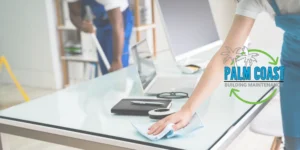
- High-touch surface disinfection
- Waiting room cleaning
- Exam room sanitation
- Restroom maintenance
- Floor care
- Common area cleaning
- After-hours service options
Healthcare facilities that invest in professional medical office cleaning services can better maintain a clean and welcoming environment for both patients and staff.
Final Thoughts
High-touch surfaces play a critical role in the overall cleanliness of a medical office. From reception counters and exam rooms to door handles and waiting room furniture, these areas require frequent attention to maintain a professional healthcare environment.
By focusing on the surfaces that experience the most daily contact, healthcare facilities can create a cleaner, more organized, and more welcoming experience for patients, visitors, and staff.